
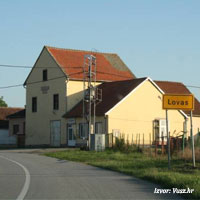

October 18, 2018, will be 27th anniversary of the crime committed in the village of Lovas (Croatia), when around 70 people from Lovas, mostly of Croatian nationality, were killed in October and November 1991. For this crime, a criminal proceeding has been conducted before the domestic courts for more than 10 years, which has not been finalized to this day. The Humanitarian Law Center (HLC) points out that the unreasonably long duration of this procedure has, for the families of the victims, created distrust in the institutions of Serbia, and doubts that they will ever be able to receive justice for the suffering they have endured.
On October 10, 1991, an artillery attack on Lovas began at the orders (available in Serbian) of the Commander of the Second Proletarian Elite Motorized Brigade of the Yugoslav People’s Army (JNA 2nd PEMBR), Dušan Lončar. In the following month, until mid-November 1991, members of the Serbian forces – including members of the civilian government, the Territorial Defense (TO), the Tovarnik militia and the “Dušan Silni” volunteer unit, killed about 70 inhabitants of Lovas at various places in the village; at the same time, most of the houses were looted and set on fire. The most massive crime was committed on October 18, 1991, when members of the TO and the “Dušan Silni” unit, forced 51 persons from Lovas to clean the local minefield from the mines previously set up by the JNA, using them as a live shield. From the mine explosions, about 20 people were killed, while the majority were wounded.
In 2007, the War Crimes Prosecutor’s Office of Serbia issued an indictment (available in Serbian) against 14 people for the murder of 69 residents of Lovas. Today – 11 years later – the number of victims has been reduced to only 28, since in the meantime five of the accused have passed away. In the event of the death of an accused person, the OWCP is obliged to review the indictment (available in Serbian), thereby reducing the number of victims for whose murder those accused are being charged.
Since the unreasonably long duration of the first instance proceeding in the Lovas Case has led to the deaths of five indictees during that period, and the number of victims covered by the indictment has been significantly reduced, many of the families of those killed have been denied justice. For this reason, the HLC calls on the institutions of Serbia responsible for the prosecution of war crimes, to prosecute war crimes with a greater sense of responsibility, fulfilling their legal obligations, and thus restoring the confidence of the victims that achieving justice after nearly three decades since the end of the conflict is still possible.