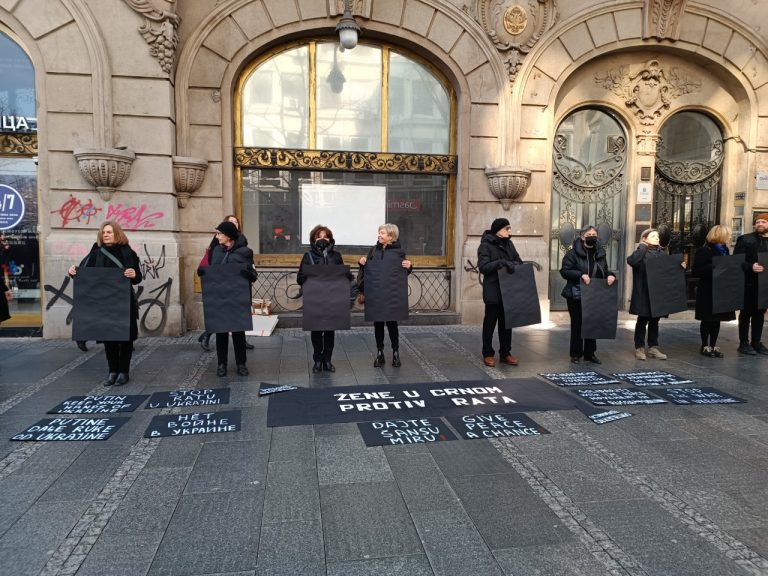


 At a session held on 8 July, 2015, the United Nations Security Council (UNSC) did not pass a resolution proposed by the United Kingdom marking the twentieth anniversary of the Srebrenica genocide, as the Russian Federation vetoed it. The vote was preceded by a month of intense negotiations between permanent members of the UNSC who tried to reach a compromise on the text of the resolution. Throughout this period, Serbia’s top officials, in their public statements and through diplomatic activities aimed at preventing the adoption of the proposed resolution, damaged the process of reconciliation in the region of the former Yugoslavia and discredited earlier statements given by Serbian officials stressing Serbia’s commitment to reconciliation and regret for the victims of the Srebrenica genocide.
The version of the draft resolution that was presented to the UNSC for adoption contains a series of statements concerning crimes committed in the course of the war in Bosnia and Herzegovina and the victims of these crimes. The resolution, among other things, condemns the crime of genocide and other crimes committed by all sides in the conflict in Bosnia and Herzegovina; expresses sympathy for the victims on all sides; calls upon political leaders to acknowledge and accept facts on all proven crimes, including the crime of genocide; calls upon government institutions to provide long-term support and assistance to survivors and their families; and urges that materials about past crimes be included in educational programs.
Serbia, as the first and so far the only country in the world to be found responsible for violating the Convention on the Prevention and Punishment of the Crime of Genocide by a ruling of the International Court of Justice (ICJ), the highest international judicial body, because it failed to prevent the genocide at Srebrenica and punish the perpetrators of the genocide, is expected to have a rather special attitude towards this crime. In addition to the fact that Serbia provided military and financial assistance to the Army of the Republic of Srpska during the war and that at least one unit from Serbia, formed by the Serbian State Security Service, took part in the executions of Bosniaks in Srebrenica, the ruling of the ICJ imposed an obligation on Serbian political leaders to respect the victims and actively engage in a dialogue about the events that led to the genocide and about its consequences.
Acknowledgment and acceptance of the facts about the Srebrenica genocide as established by the UN courts remains a moral but also a legal obligation for representatives of Serbian government institutions. Otherwise, their statements about dealing with past war crimes and their commitment to the process of reconciliation will not be trustworthy and therefore will not contribute to building trust in the government institutions of the Republic of Serbia.