
 Regarding the 23rd anniversary since the crime in Sjeverin
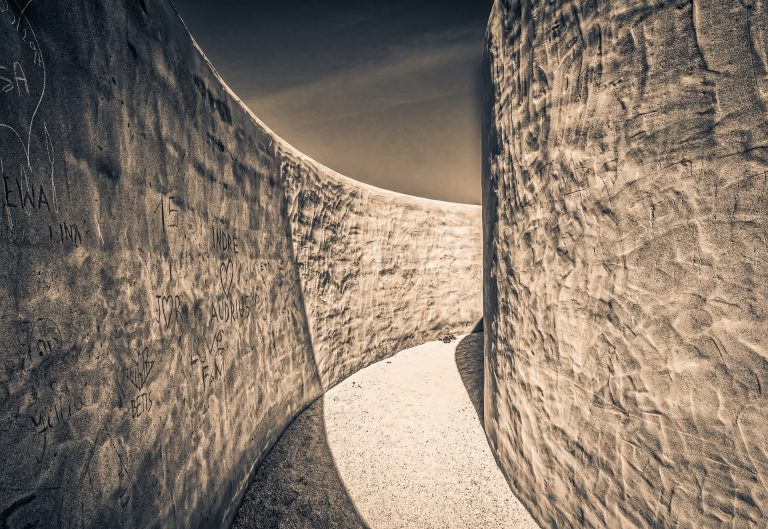
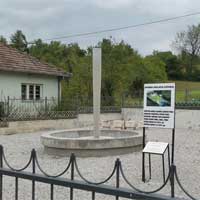
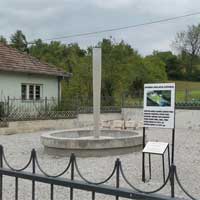
On Thursday, 22nd of October, the opening of the memorial to the victims in Sjeverin will mark the 23rd anniversary of the abduction and murders of 16 Serbian citizens of Bosnian nationality. The Humanitarian Law Center (HLC) and the Sandžak Committee for the Protection of Human Rights and Freedoms (the Sandžak Committee) caution that, from the point of view of international law, it is unacceptable for the Republic of Serbia not to approve the status of civilian war victims to the victims of Sjeverin. At the same time, the HLC and the Sandžak Committee state that the engagement of the local community and the municipality of Priboj in the commemoration of this crime and their help in constructing the monument are a rare example of responsible attitude on part of the institutions in the former Yugoslavia towards the victims, who come from an ethnic minority community.
On 22nd of October 1992, during the war in Bosnia and Herzegovina (BiH), the bus of the “Raketa” company from Uzice, which was on its regular line from Rudo to Priboj, was stopped by members of a unit called the “Avengers”, which acted as a part of the Army of the Republic of Srpska (VRS). The bus was stopped on the bridge over the River Lim in the place called Mioče, where the road crosses the territory of BiH. Having checked all the passengers’ IDs, the “Avengers” separated and took out only the Bosniaks, 15 men and one woman. They took them by lorry in the direction of Višegrad, to the “Vilina vlas” motel, where they searched them, cruelly beat them and then took them to the bank of the River Drina, where they were shot.
The victims of this crime were the following persons: Mehmed Šebo, Medredin Hodžić, Zafer Hadžić, Medo Hodžić, Ramiz Begović, Derviš Softic, Mithad Softić, Mujo Alihodžić, Alija Mandal, Sead Pecikoza, Mustafa Bajramović, Hajrudin Sajtarević, Esad Džihić, Idriz Gibović, Ramahudin Ćatović and Mevlida Koldžić (nee Hodžić). The mortal remains of Medredin Hodžić were found in Lake Perućac in 2010, while the bodies of the others are still being searched for.
On the night before the abduction, unknown perpetrators forcefully took Sabahudin Ćatović, the brother of Ramahudin Ćatović, from Sjeverin. His body has not been found yet.
Before the District Court in Belgrade in 2005, Milan Lukić, Oliver Krsmanović and Dragutin Dragićević were sentenced to 20 years of imprisonment for the abduction and murders of the Bosniaks, which was classified as a war crime against a civilian population. Đorđe Šević was sentenced to 15 years. The abduction of Sabahudin Ćatović was not covered by the criminal proceedings. Milan Lukić, the commander of the “Avengers” unit, was condemned to life imprisonment in 2012 by the International Criminal Tribunal for the former Yugoslavia (ICTY) for crimes in Višegrad.
On behalf of seven relatives of the Sjeverin victims, the HLC initiated legal proceedings for gaining them the status of family members of civilian war victims, through application of the Law on Civilian Invalids of War. However, all these requests were rejected with the same explanation – this Law and the rights it is designed to guarantee cannot apply in cases where the victim was killed outside of the territory of the Republic of Serbia.
In 2007, the victim families filed complaints for compensation of damages against the Republic of Serbia, because of its logistic and financial support to the military and paramilitary units of the Bosnian Serbs, as well as on account of not protecting the state border and the failure of state bodies to protect the citizens who live and work near the area where the armed conflict took place. In spite of the undue procrastination of the legal proceedings, which the Constitutional Court determined to be an abuse of the right to fair trial, the case has not yet been concluded, and it is pending before the Supreme Court of Cassation at the moment.
The treatment by the institutions of Serbia of the victim families from Sjeverin and thousands of other victims, who have not been granted the rights of civilian war victims in Serbia because of the discriminatory regulations of the current Law on Civilian Invalids of War adopted during the regime of Slobodan Milošević, as well as the serious obstacles to the achievemnt of victims’ rights through courts, are the subject of criticism by numerous international institutions and organisations which monitor the human rights situation in Serbia.
In February, the United Nations (UN) Committee on Enforced Disappearances published the final results on the implementation of the Convention for the Protection of All Persons from Enforced Disappearance by Serbia, as a signatory, where the obstacles in the administrative system for the realization of reparations were specially indicated, as was the high level of proof of abuse of human rights required before the court and state bodies. The UN Working Group on Enforced Disappearances also noted that the existing legal framework in Serbia did not offer reparations for forcibly disappeared persons and their families. This was written into the report after the Group’s visit to Serbia in June last year [available in English]. Mr. Nils Muižnieks, Commissioner for Human Rights of the Council of Europe, made a similar remark in his report in July this year [available in English].
In April this year, the HLC, together with the Center for Advanced Legal Studies (CUPS), presented to the public the Model Law on the rights of civilian victims of human rights violations committed during and in connection with armed conflicts in the period 1991–2001, which included solutions which would correct the disadvantages of the existing legal framework.