
 Today we mark the 26th anniversary of the abduction and killing of 17 citizens of Serbia of Bosniak nationality from Sjeverin near Priboj, who were taken captive by members of the Republika Srpska Army (VRS) during the conflict in Bosnia and Herzegovina (BiH). The Humanitarian Law Center (HLC), the Sandžak Committee for the Protection of Human Rights and Freedoms (Sandžak Committee) and Women in Black wish to remind the public that the long-standing search by the families for the mortal remains of the victims has not yet ended, and that it is unacceptable that the institutions of Serbia, even after 26 years, still persist in refusing to provide victims’ families with fair compensation, support and recognition.
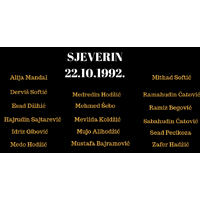
On October 22nd 1992, members of the “Osvetnici” (“Avengers”; text available in Serbian), a paramilitary unit which operated under the auspices of the Republika Srpska Army, stopped a bus of the Užice-based company “Raketa” near the bridge over the River Lim in Mioče (BiH). The bus was travelling on its usual Priboj-Rudo-Priboj route. After the identities of every passenger had been checked, 16 Bosniaks were taken out of the bus: Mehmed Šebo, Zafer Hadžić, Medo Hodžić, Medredin Hodžić, Ramiz Begović, Derviš Softić, Mithad Softić, Mujo Alihodžić, Alija Mandal, Sead Pecikoza, Mustafa Bajramović, Hajrudin Sajtarević, Esad Džihić, Idriz Gibović, Ramahudin Ćatović and Mevlida Koldžić. They were taken by military truck in the direction of Višegrad, where they were brutally beaten, and then killed on the banks of the River Drina. The night before this event, Sabahudin Ćatović was abducted in front of his family house in Sjeverin. He has disappeared without a trace.
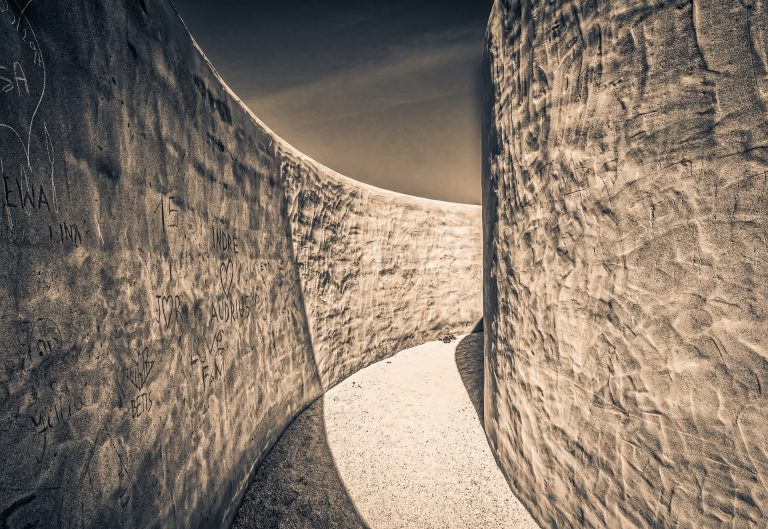
In 2005, the District Court in Belgrade convicted (judgement available in Serbian) four members of the “Osvetnici” unit, sentencing them to long-term imprisonment. However, in spite of declaratory statements from the highest representatives of government authorities, the making of any real efforts to find the bodies of these innocent victims has been completely neglected. In addition to ignoring the rights of victims’ families to know the truth about the fate of their closest relatives, the state of Serbia continues to refuse to grant them reparations for their sufferings and to recognize them as civilian victims of war, which would bring them modest but still important material support. The only positive step has been made by the municipality of Priboj, which helped to build the memorial which was unveiled in October 2015. This is a rare example of a responsible attitude being shown by the institutions of Serbia towards victims from the minority ethnic community.
The families of the victims from Sjeverin unsuccessfully tried to receive reparations for the murders of their loved ones by suing the Republic of Serbia (plea available in Serbian) in 2007, for the support it showed towards the VRS, as well as its failure to assume its responsibility to prevent this crime and its obligation to protect the citizens of the border area during the time of the armed conflict in the neighbouring BiH. After more than six years of trial, their lawsuit was rejected on the grounds that there was no link between the state of Serbia and the crime. The proceeding is now pending before the European Court of Human Rights. The courts in Serbia refused to consider the connection between the then authorities of Serbia and
Republika Srpska, and did not find the state responsible for failing to protect the state border, people and property near the area affected by the war, although the internal affairs and military authorities were obliged to do so under the then regulations.
In addition to seeking to receive adequate reparation for their sufferings, victims’ families continue to search for the bodies of those killed. During the past 26 years, the mortal remains of only one victim have been found; the others are still missing.
Years of unsuccessful efforts by families of victims to exercise their right to reparations reflect the intentions of the institutions to avoid recognizing Serbia’s responsibility for the abduction and killing of the inhabitants of Sjeverin. On the other hand, the unsuccessful search for the bodies of those killed, testifies to the deliberate prevention of any attempt to discover the truth about their murder. During the years of struggle for recognition of the rights of victims of war crimes, the HLC, the Sandžak Committee and the Women in Black have witnessed a continuous ignoring and disregard of the rights of the Sjeverin victims by the institutions of Serbia. For this reason, the HLC, the Sandžak Committee and the Women in Black demand that the Serbian institutions abandon the policy of avoiding responsibility for human rights violations during the 1990s, and provide victims with fair compensation and the truth about the fate of their loved ones.
***
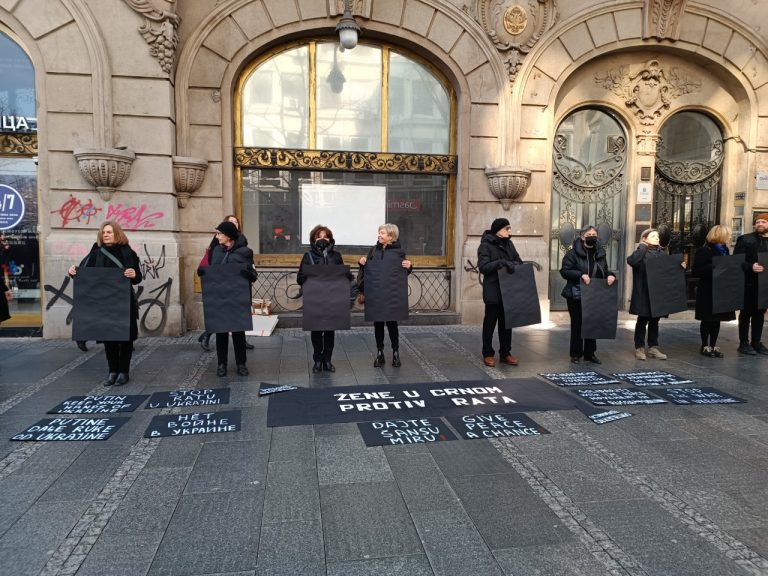
On October 22nd, 2018, from midday 12PM to 1PM, in Knez Mihailova Street (in front of the Kafana ‘Ruski Car’), the organization Women in Black will organize a peaceful action, under the banner: “We will never forget the crime in Sjeverin”. On the same day, activists from the Women in Black network and representatives of the HLC will attend the commemoration of the crimes in the village of Sjeverin.