

 There has been no significant progress in establishing transitional justice processes in Serbia, due to slow and inefficient war-crime trials and a lack of political will, a Humanitarian Law Centre report says.
The Belgrade-based Humanitarian Law Centre, HLC, has presented a report, “Transitional Justice in Serbia in the period from 2013 to 2015,” which says that Serbia made no significant progress in establishing transitional justice processes concerning the ex-Yugoslav wars in the Nineties.

The HLC report on Wednesday stated that the war-crimes prosecution service lacked political support and that war-crime trials are slow and inefficient, with a downward trend in the number of indictments and fewer indictees and prosecutions focusing solely on direct perpetrators.
According to the report, over the 2013-2015 period, no charges were brought against any individuals who held high military, police or political office during the conflicts.
No indictments were filed for crimes against humanity or for command responsibility and no discernible progress was made towards establishing the criminal role of individuals who currently hold high office or have close ties with the government.
Milica Kostic, director for law issues at HLC, said that one of the key problems was that Serbian courts are actively protecting the state.
“Serbian courts are working in order to protect the state from any responsibility [for past conflicts]. One of the judges of the Supreme Court recently publicly said that they, the judges, have done everything not to award compensations against the state,” Kostic said.
The HLC report also emphasized that there are numerous legal and institutional barriers preventing victims from accessing material reparations.
Symbolic reparations have also been reduced.
Jelena Krstic, from HLC, said that symbolic reparations and better education of youngsters in Serbia about war crimes are both spheres that deserve more attention, as an investment in a better future.
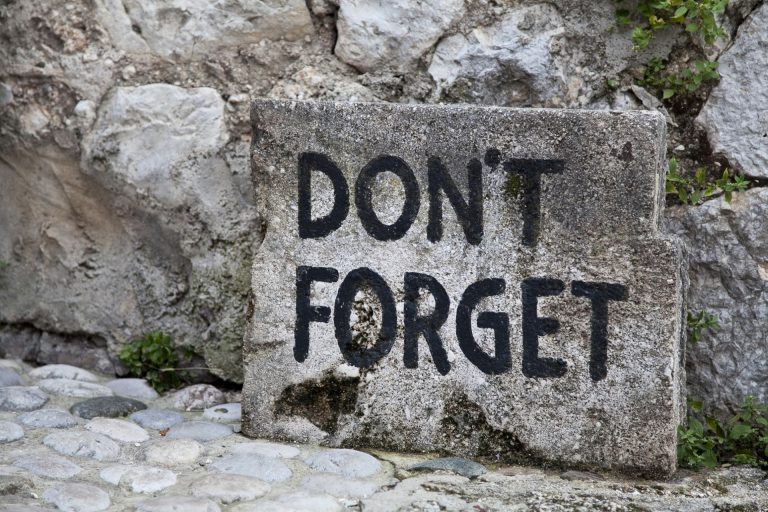
“Symbolic reparations are important since they create a broader social culture of remembrance, which can be a dam against some future potential conflicts,” Krstic said.
Serbian history schoolbooks tend to relativize the Serbian state’s role in the wars of the Nineties, Krstic added.
The HLC report recommended introducing a policy of screening the wartime backgrounds of candidates for security-sector jobs and political office and removing from public office persons who were involved in human-rights violations during the armed conflicts.